
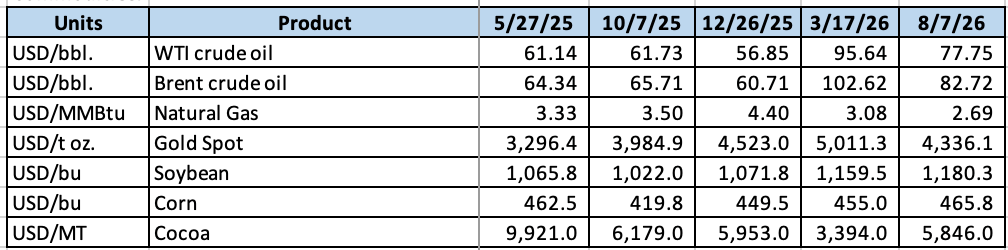
| Unpacking the Surge: Why Gold Prices Skyrocketed in 2025 March 28, 2026 – During 2025, gold prices reached historic highs, while cocoa prices experienced a dramatic correction from their 2024 peaks. Gold’s surge was primarily driven by investor demand for safe-haven assets amid geopolitical turmoil and central bank diversification, whereas cocoa’s decline was fueled by “demand destruction”—shoppers buying less chocolate due to high prices—along with improved weather prospects for 2025 harvests. Key Drivers: Geopolitical and Economic Uncertainty: Rising trade tensions (specifically related to U.S. tariffs), | ongoing conflicts in the Middle East and Eastern Europe, and concerns over U.S. national debt prompted investors to seek safety in gold. Central Bank Buying: Central banks, particularly in emerging markets like China, Turkey, and Poland, continued to purchase large amounts of gold, aiming to diversify reserves away from the U.S. dollar to avoid potential sanctions. Fed Rate Cut Expectations: Markets anticipated that the Federal Reserve would cut interest rates to manage a weakening U.S. economy, reducing the opportunity cost of holding non-yielding assets like gold. Weakening U.S. Dollar: As the U.S. dollar weakened, gold became cheaper for foreign buyers, further boosting demand. |
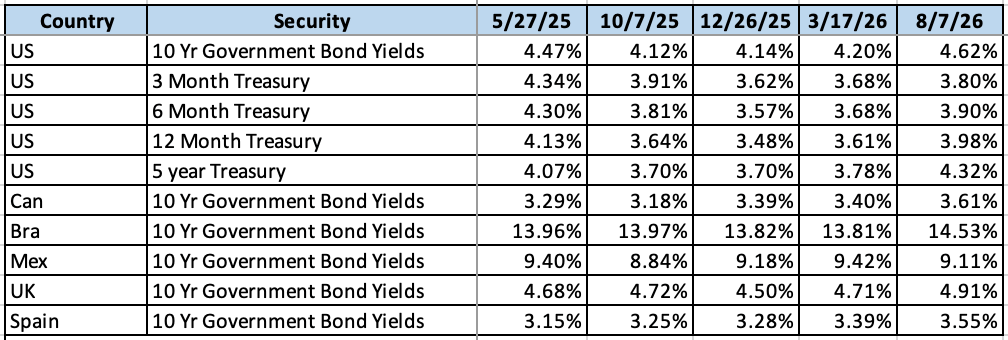
Interest Rates Data:
| Cocoa Crisis: Exploring the Factors Behing de 2025 Price Decline March 28, 2026 – While cocoa prices fell back toward lower levels in 2025, they remained structurally higher than their long-term average, and experts warned that the lower raw commodity prices would take time to reflect in retail chocolate prices. Key Drivers: Demand Destruction: After cocoa futures reached an unprecedented $12,000+ per ton in 2024, consumers resisted high chocolate prices. This caused a decrease in cocoa grindings (a key indicator of demand) in Europe, Asia, and North America in 2025, signaling a permanent change in consumer habits. | Improved Supply Outlook: Weather conditions in West Africa—the world’s top cocoa producer—improved, with better rainfall increasing expectations for a rebound in harvest yields for the 2025/2026 season. Speculator Exit: Hedge funds and managed money that had built up massive long positions in 2024, driving prices up, began liquidating their positions, leading to a rapid price correction. Alternative Ingredients & Reformulation: To lower costs, manufacturers started using more cocoa butter substitutes and reduced the cocoa content in their products. |
Commodities Data:


You must be logged in to post a comment.